Before there were community centres offering Zumba and yoga, before dance studios taught hip-hop and contemporary, the Ottawa Valley had square dancing. It was the social activity. On a Saturday evening in any township from Arnprior to Deep River, the local hall or church basement would fill with couples and singles who came to dance, to socialize, and to maintain a tradition that the valley's founding settlers had carried across the Atlantic. That tradition is still alive, though quieter than it once was, and it remains one of the most accessible and social forms of dance available in the Petawawa and Pembroke area.
Valley Roots
The Ottawa Valley's square dance tradition draws from three distinct settler communities. The Irish and Scottish immigrants who arrived in the early and mid-1800s brought their own forms of group dance -- reels, jigs, and country dances that were danced in formations of four couples. The French-Canadian families who settled along the Ottawa River brought the quadrille, a formal French court dance that had evolved into a folk form. Over generations, these traditions blended into a regional style that is recognizably different from square dancing in other parts of Ontario or western Canada.
Valley square dancing historically had a rougher, more energetic character than the standardized modern Western square dancing that developed in the United States in the mid-twentieth century. The calling was done in English or French (sometimes both in the same evening), the music featured fiddles prominently, and the dancing involved more vigorous swinging and stepping than the smoother modern style. Some clubs in the valley maintain this traditional or "heritage" style, while others have adopted the standardized modern calls and formations. Both are valid expressions of the same community impulse.
How Square Dancing Works
For anyone unfamiliar: square dancing involves four couples arranged in a square, moving through a series of figures directed by a caller. The caller speaks or chants the instructions over the music, telling the dancers which movements to execute and when. The result is a cooperative, social form of dance that requires no memorized choreography because the caller provides every instruction in real time.
This is what makes square dancing uniquely accessible. You do not need dance training to start. You do not need a regular partner -- squares can be formed from whoever shows up. You do not need to memorize routines. You need to listen, move in the direction indicated, and be willing to laugh when you inevitably turn the wrong way. The experienced dancers in your square will steer you right, and the atmosphere at most club evenings is warm enough that mistakes are part of the entertainment rather than a source of embarrassment.
Modern standardized square dancing uses a defined set of calls organized into levels -- Mainstream, Plus, Advanced, and Challenge. Most clubs offer beginner nights or introductory sessions where new dancers learn the Mainstream calls over a series of weeks. Once you have the Mainstream calls down, you can dance at any Mainstream-level event anywhere in the world, since the calls are standardized internationally.
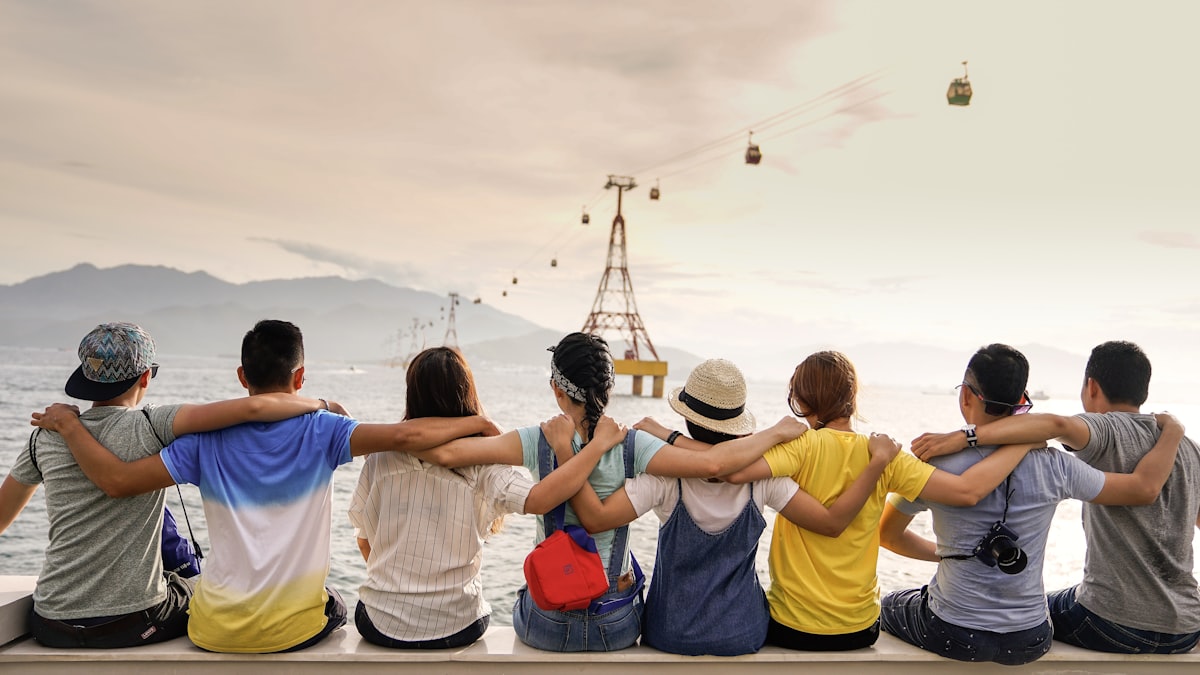
Square dancing is as much a social activity as a physical one. The conversation and community keep people coming back year after year.
Square Dancing in the Petawawa and Pembroke Area
The Petawawa and Pembroke area has had active square dance clubs for decades. Get Up and Dance itself began as one of these clubs, organizing regular caller-led evenings and welcoming new members from both the established local community and the military base. The club held dances in community halls through the fall, winter, and spring -- the standard valley square dance season.
Square dance evenings in the area are social occasions as much as dance events. They typically include refreshments, conversation time, and an atmosphere that resembles a community gathering as much as a structured dance program. The cost is minimal -- usually a few dollars per person to cover the hall rental and caller's fee. No special clothing is required beyond comfortable shoes with smooth soles that allow sliding on a wooden floor.
The military community at CFB Petawawa has historically been a significant source of new members for local square dance clubs. Families posted to Petawawa from other parts of the country discovered square dancing as a way to meet people and build connections quickly in a new community. The regular weekly commitment, the inherently social format, and the welcoming atmosphere of most clubs made square dancing a natural entry point for newcomers. This gave the local square dance scene a diversity and openness that reflected the broader military community.
Finding a Club
Square dance clubs in the Ottawa Valley operate on a seasonal basis, typically September through May. Beginner classes usually start in September or October, running for several months to bring new dancers up to Mainstream level. The best way to find active clubs is through the Eastern Ontario Square and Round Dance Association or through community bulletin boards and recreation guides in Petawawa and Pembroke. If you are interested, showing up at a beginner night is all you need to do -- no registration or commitment required for the first visit.
Beyond Square Dancing
For people who enjoy square dancing, the Ottawa Valley offers related dance forms including line dancing, round dancing, and contra dancing. Line dancing shares the social, caller-directed quality of square dancing without requiring a partner. Round dancing uses partner ballroom dance steps cued by a leader, blending the structured format of square dancing with ballroom technique. Contra dancing, which uses two facing lines rather than a square, has a strong following in parts of Ontario and shares the community-oriented spirit of square dancing.
The broader fitness and movement community in the area also welcomes people who come to it through square dancing. Many of the same community centres that hosted dance nights now offer yoga, tai chi, and other programs that appeal to the same desire for social, structured physical activity. The format has evolved, but the fundamental idea -- people coming together regularly to move, socialize, and maintain their community connections -- remains exactly what it was when the first fiddle played in the first valley hall.